A practical guide to choosing the right decoration method for logos, text, and graphics on acrylic
Acrylic is prized for its clarity, strength, and modern look. But a blank acrylic part rarely tells the full story. Whether you are producing awards, display stands, signage, retail fixtures, or promotional items, the way you add branding often determines how professional the finished product feels.
There is no single best method. Silk-screen, UV printing, hot stamping, laser engraving, and vinyl graphics each create a distinctly different visual and tactile result. The right choice depends on color requirements, design complexity, expected durability, volume, and budget. This guide breaks down the five most common approaches so you can match the process to the job.
Note: All five methods can be applied to the same clear acrylic surface. The differences show up in edge sharpness, color range, texture, and how the mark ages over time.
1. Silk-Screen Printing
Silk-screen (also called screen printing) forces ink through a fine mesh stencil onto the acrylic surface. Each color requires its own screen and pass, so it works best with solid colors and relatively simple artwork.
What it delivers:
- Solid, vibrant color with crisp edges
- Excellent opacity even on clear or colored acrylic
- Very high abrasion resistance once cured
Best for: Logos, simple text, and one- to three-color graphics that need to look bold and last a long time. Ideal for higher volumes where the cost of screens can be amortized.
Limitations: Not suitable for photographic images, fine gradients, or designs with more than a handful of colors. Setup cost is higher for short runs.
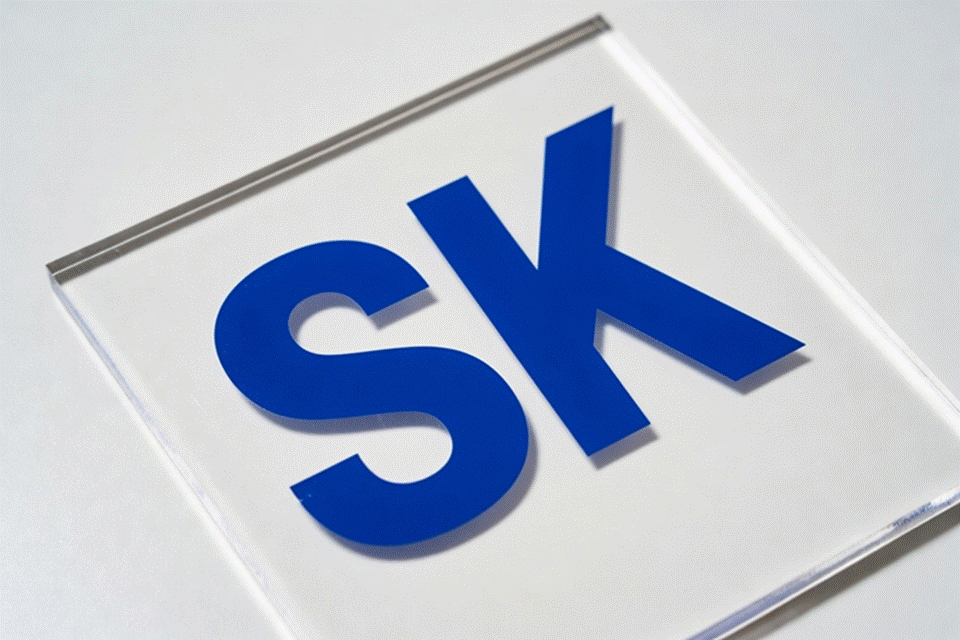
Figure 1 — Silk-screen produces solid color with sharp, clean edges and strong opacity.
2. UV Printing
UV (ultraviolet) printing deposits tiny droplets of CMYK ink directly onto the acrylic and cures them instantly with UV light. The result is full-color, photo-quality graphics with smooth gradients and no need for screens.
What it delivers:
- True full-color output including gradients and fine detail
- Ability to print complex artwork, photographs, and full-bleed designs
- Fast turnaround with minimal setup
Best for: Complex logos, multi-color illustrations, product photos, or any design that needs photographic quality. Excellent for short to medium runs and variable data.
Limitations: Durability is high but can be slightly lower than a well-cured silk-screen for extreme abrasion. White underbase may be needed for opacity on clear acrylic.
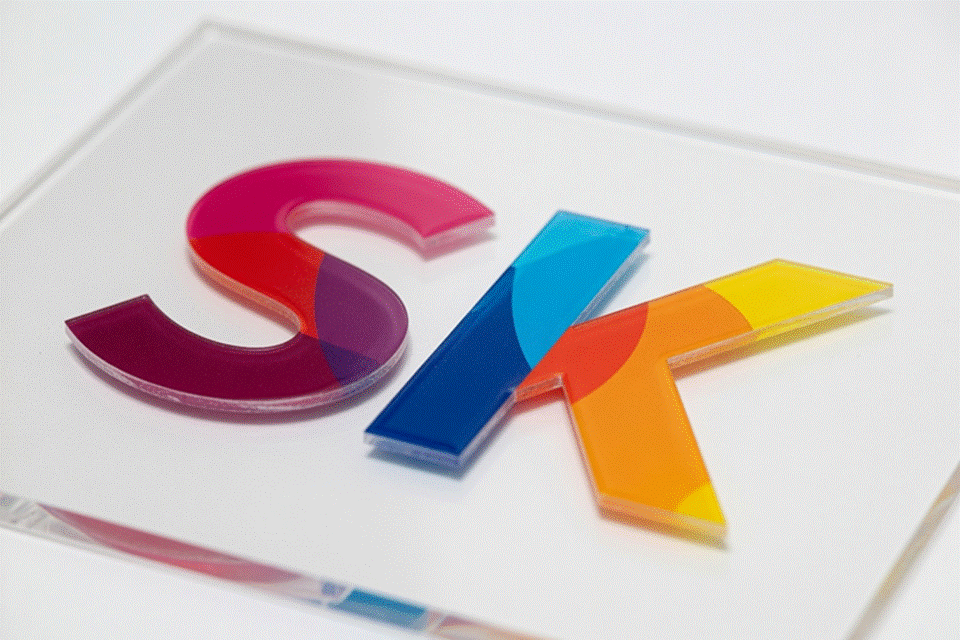
Figure 2 — UV printing handles complex color and gradients with photo-quality results.
3. Hot Stamping
Hot stamping (foil stamping) uses heat and pressure to transfer a thin metallic or pigmented foil onto the acrylic surface through a heated die. The result is a reflective metallic finish that looks and feels premium.
What it delivers:
- Genuine metallic sheen — gold, silver, rose gold, and other foils
- A tactile, high-end appearance that printing alone cannot match
- Good durability when properly applied
Best for: Premium brand logos, award text, luxury packaging elements, and any application where a metallic accent elevates the product.
Limitations: Typically limited to one foil color per pass. Fine detail is constrained by the die. Setup cost is higher, so it suits medium-to-higher volumes or high-value items.
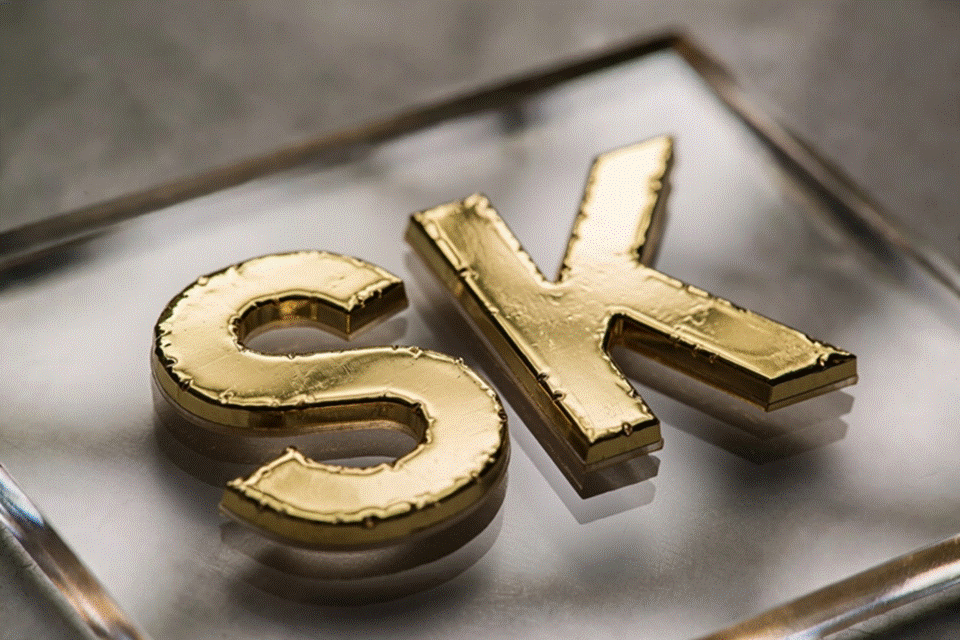
Figure 3 — Hot stamping delivers a genuine metallic, premium finish that catches the light.
4. Laser Engraving
A focused laser beam removes or alters a thin layer of the acrylic surface, creating a permanent frosted or recessed mark. No ink or foil is added — the mark is the material itself.
What it delivers:
- Permanent, tactile texture that cannot peel or fade
- Clean frosted appearance ideal for subtle, elegant branding
- Excellent for fine text, serial numbers, and anti-counterfeit marks
Best for: Serial numbers, fine line work, permanent identification, and designs where a non-colored, etched look is preferred. Works especially well on clear or translucent acrylic.
Limitations: No color. Large solid areas can look uneven. Not ideal if you need bold, filled color graphics.
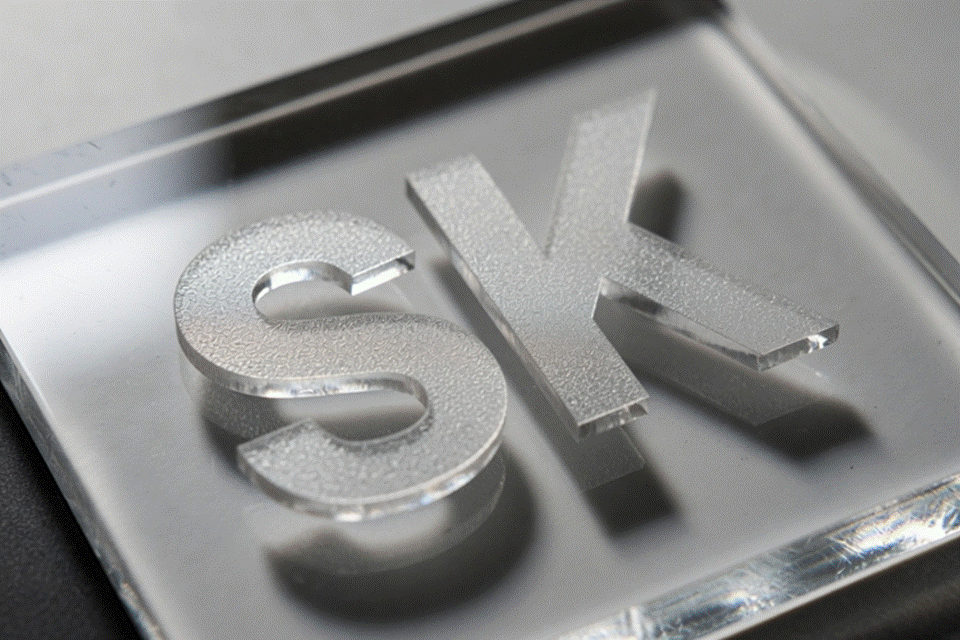
Figure 4 — Laser engraving creates a permanent frosted texture that is both visual and tactile.
5. Vinyl Graphics
Vinyl graphics are pre-cut or digitally printed adhesive films applied to the acrylic surface. They can be solid-color cut vinyl or full-color printed vinyl with a protective laminate.
What it delivers:
- Full color or solid color options with clean edges
- Quick application and the ability to remove or replace the graphic
- Good outdoor performance when using exterior-grade films
Best for: Signage, window displays, temporary promotions, and situations where the branding may need to change later. Also useful for large-format graphics.
Limitations: The graphic sits on top of the surface rather than bonding into it, so edges can lift over time under heavy abrasion or outdoor exposure. Less permanent than the other four methods.
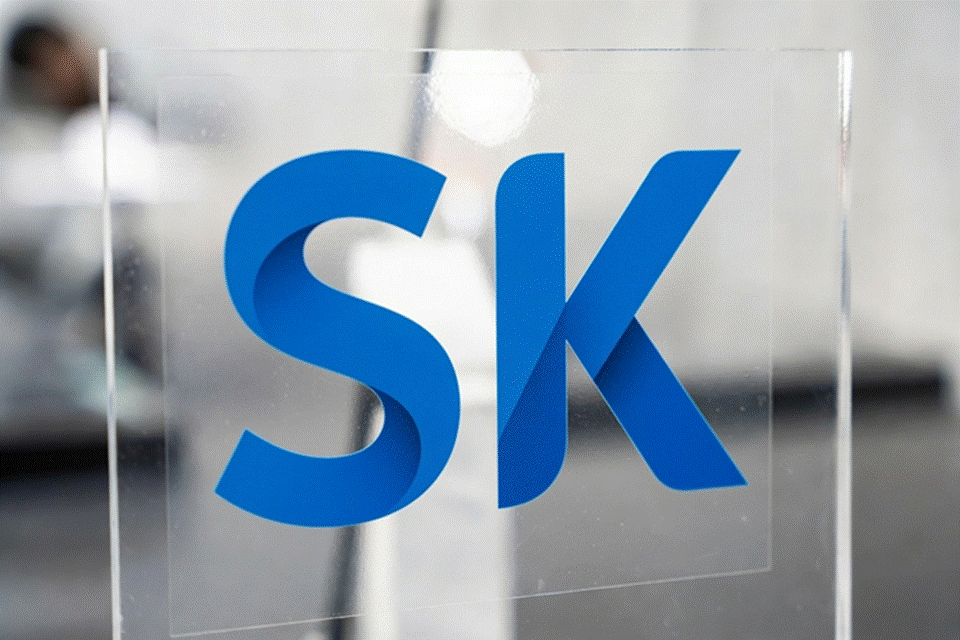
Figure 5 — Vinyl graphics offer full-color or solid options and can be replaced when needed.
Side-by-Side Comparison
The table below summarizes the practical differences at a glance.
| Method | Effect | Best For | Colors | Durability | Cost |
| Silk-Screen | Solid color, sharp edges, vibrant | Logos, text, 1–3 color graphics | 1–6 per pass | Very high | Low |
| UV Printing | Photo-quality, full-color, gradients | Complex artwork, portraits, full-bleed | Full CMYK | High | Medium |
| Hot Stamping | Metallic sheen — gold, silver, rose gold | Premium logos, awards, luxury items | 1 foil per pass | High | Med-High |
| Laser Engraving | Permanent etch, tactile, frosted | Serial numbers, fine text, permanent marks | No color | Permanent | Low |
| Vinyl Graphics | Adhesive decal, smooth finish | Signage, temporary branding, outdoor | Full or solid | Medium | Low |
How to Choose
Start with three questions:
- Does the design need color or metallic effect? If yes and the artwork is simple, silk-screen or hot stamping. If it is complex or photographic, UV printing. If no color is required, laser engraving is often the cleanest permanent option.
- How permanent does the mark need to be? Laser engraving is the most permanent. Silk-screen and hot stamping are very durable. UV is highly durable for most uses. Vinyl is the least permanent but the most flexible for changes.
- What is the volume and budget? Silk-screen and hot stamping reward higher volumes. UV and vinyl handle short runs well. Laser engraving has low setup cost and scales easily for one-offs or serial production.
In practice, many products combine methods. A clear acrylic award might receive a laser-engraved serial number on the back, a UV-printed full-color logo on the front, and a hot-stamped metallic accent line. Treating the processes as a toolkit rather than competitors usually produces the best result.
Practical Tips
- Surface preparation matters. Clean, grease-free acrylic produces better adhesion for ink, foil, and vinyl.
- Test on the actual material. Cast and extruded acrylic can behave slightly differently under laser or heat.
- Consider the viewing angle. On transparent parts the reverse side of the print or engraving is often visible — plan for it.
- Protect edges and high-wear areas. Even durable methods benefit from thoughtful placement away from constant abrasion.
The Bottom Line
Branding acrylic successfully is less about finding a single “best” process and more about matching the visual effect, durability, and cost profile to the specific product. Silk-screen gives bold solid color and toughness. UV printing unlocks full-color freedom. Hot stamping adds genuine metallic luxury. Laser engraving provides permanent, tactile elegance without ink. Vinyl graphics offer flexibility and speed.
When you understand what each method actually delivers on the surface of acrylic, choosing becomes straightforward — and the finished piece looks intentional rather than compromised.
— End —
 English
  Deutsch
  Français
  Italiano
  Español
  Nederlands
  한국어
한국어