
In the world of materials science, few substances have proven as adaptable as acrylic. Also known as PMMA or plexiglass, this lightweight, crystal-clear plastic has long been a staple in signage, furniture, and architectural elements. But as we look toward 2027, the industry is on the cusp of a major transformation. According to forward-looking forecasts, intelligent customized acrylic products are expected to make up a whopping 40% of the market. That’s a significant leap from today’s offerings, signaling a shift toward smarter, more personalized solutions that blend functionality with cutting-edge technology.
The global acrylic market has been on a steady growth trajectory. Recent analyses peg the PMMA sector at around $5-6 billion currently, with a compound annual growth rate hovering between 4% and 6% through the end of the decade. Demand comes from traditional areas like automotive parts—where lightweight properties help improve fuel efficiency—construction glazing, medical devices, and especially retail displays. Yet, it’s the convergence of digital manufacturing and smart tech that’s really accelerating things.
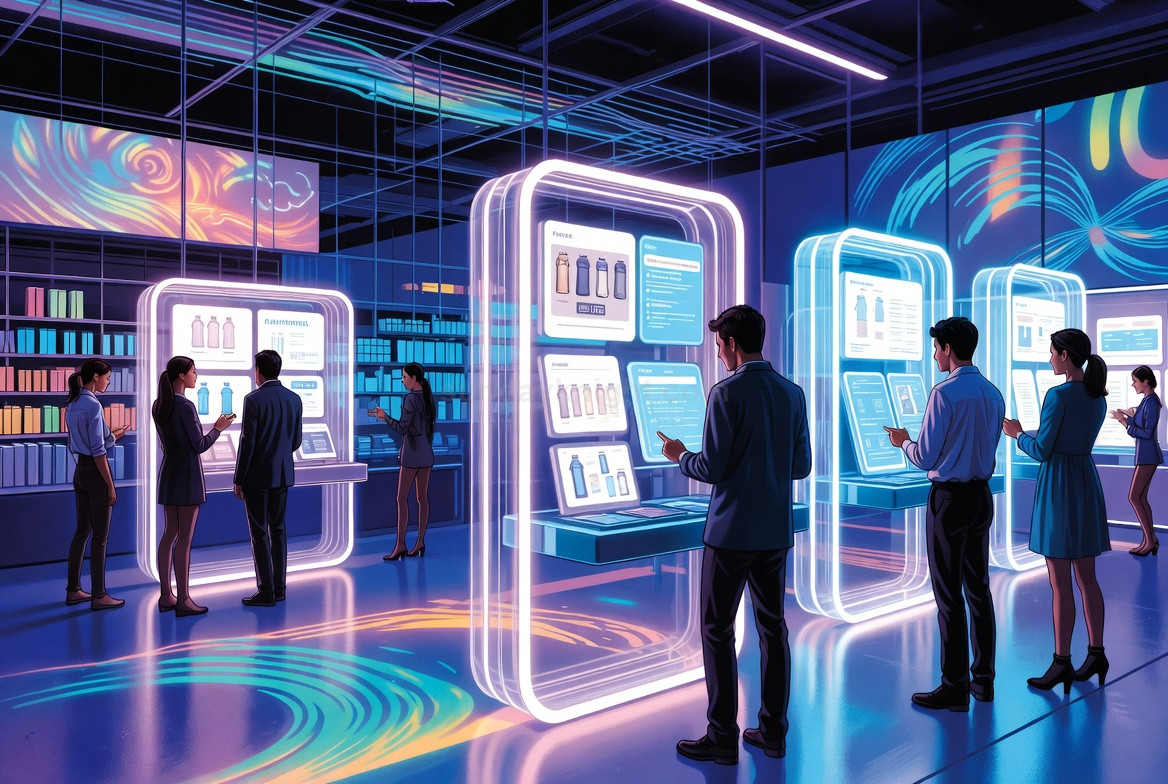
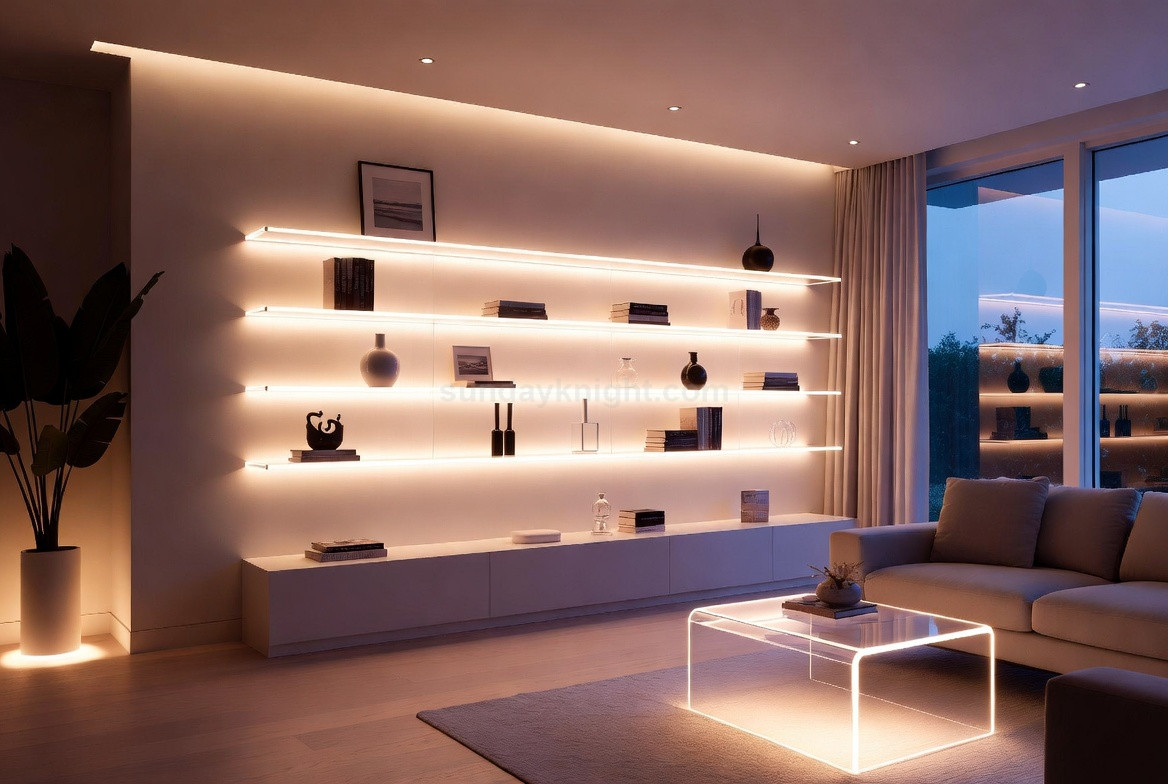
What exactly are “intelligent customized products”? Think beyond basic colored sheets or standard cutouts. These are acrylic panels and components embedded with sensors, IoT connectivity, LED lighting systems, or even touch-responsive surfaces. Imagine walking into a retail store where acrylic display cases change color or display interactive information based on customer proximity. Or smart home shelving that lights up automatically and adjusts brightness via a smartphone app. Manufacturers are leveraging 3D printing, laser etching, and advanced lamination to create bespoke items tailored to individual specifications with remarkable precision.
This trend didn’t appear overnight. The rise of e-commerce and social media has fueled consumer desire for unique, personalized items. People no longer want mass-produced goods; they crave products that reflect their style and needs. On the supply side, advancements in CNC machining and additive manufacturing have made small-batch, highly customized production economically viable. What once required expensive molds can now be produced quickly and affordably.
Industry experts point to several drivers behind this projected 40% share. First, the explosion of smart homes and buildings. Acrylic’s optical clarity makes it ideal for integrating lighting and displays without sacrificing aesthetics. Second, retail and advertising sectors are hungry for engaging experiences in an increasingly digital world. Smart signage that can be updated remotely or respond to data analytics offers huge advantages over static alternatives. Third, sustainability concerns are pushing innovations—many new smart acrylics incorporate recycled content or are designed for easier end-of-life recycling. As industry expert Dr. Elena Vargas from the Materials Innovation Lab puts it, “We’re seeing a perfect storm of technology and consumer demand that’s pushing customized smart acrylic from niche to mainstream by 2027.”
Of course, challenges remain. Integrating electronics into acrylic without compromising its durability or clarity isn’t simple. Costs for these advanced products are higher, which could slow adoption in price-sensitive markets. Supply chain issues with raw materials and the need for skilled technicians to handle complex assemblies also come into play. However, as technology matures and scales, prices are expected to drop, making intelligent options accessible to a broader audience.
Regionally, Asia-Pacific is poised to lead much of this growth, thanks to robust manufacturing capabilities and expanding consumer markets. North America and Europe will likely focus on high-end, innovative applications in architecture and consumer electronics.
Looking ahead to 2027, businesses in the acrylic space need to adapt or risk being left behind. Companies investing in R&D for smart integrations and flexible production lines will thrive. For consumers, this means more exciting choices—from customizable aquarium setups with built-in monitoring systems to modular office partitions that double as interactive whiteboards.
The forecast isn’t just about numbers; it’s about how acrylic is evolving from a simple substitute for glass into a high-tech material shaping our daily environments. As we approach the second half of the decade, keeping an eye on these developments will be crucial for anyone involved in design, manufacturing, or retail. Stay tuned here at sundayknight.com for more insights into industry trends and innovations. The future of acrylic looks bright—quite literally, in many cases—and more intelligent than ever.
 English
  Deutsch
  Français
  Italiano
  Español
  Nederlands
  한국어
한국어